10 weeks to launch: what goes into building a real factory
The most invisible part of any factory is the part nobody will ever see. Cables end up inside the walls, drains under the concrete, and the water treatment system hides behind the reactors. But that system decides how good every future product turns out.
In the first two episodes we found a building and picked the equipment. It looked like all we had left to do was roll the machines in and hit "Start." In reality, weeks of hard construction work sit between those two moments.
And yes, we set ourselves a pretty bold goal — get the factory ready in just 10 weeks. Sounds optimistic? We agree. But sometimes a deadline like that is what makes you move faster.
The move nobody noticed
Any warehouse can be moved. Doing it so customers never feel a thing is much harder.
Over a few weeks Foam Heroes moved almost the entire warehouse into the new building. Receiving, picking and shipping never stopped for a minute. That mattered to us: construction should not affect service
500 meters of cable nobody will ever see
When people talk about a factory, they rarely think about the electrical system. Yet it's one of the most expensive and important systems in the place.
We had to redo the building's power layout from scratch. During the build we ran almost 500 meters of power cable, and available power went from 10 to 80 kW.
Why does that matter so much?
That's why, before the first machine went in, we basically built a new power infrastructure for the building.
A floor that can handle chemical production
A plain concrete floor works for a warehouse. For chemical production, it doesn't.
Before installing the equipment, we designed our own floor base with industrial drainage. The tricky part: the existing floor couldn't take the utilities we needed. So we had to build the structure almost from scratch.
The work looked like building a small industrial site:
- setting the formwork
- laying a foam polyethylene underlay
- tying the rebar cage
- 10 dump trucks of sand for the base
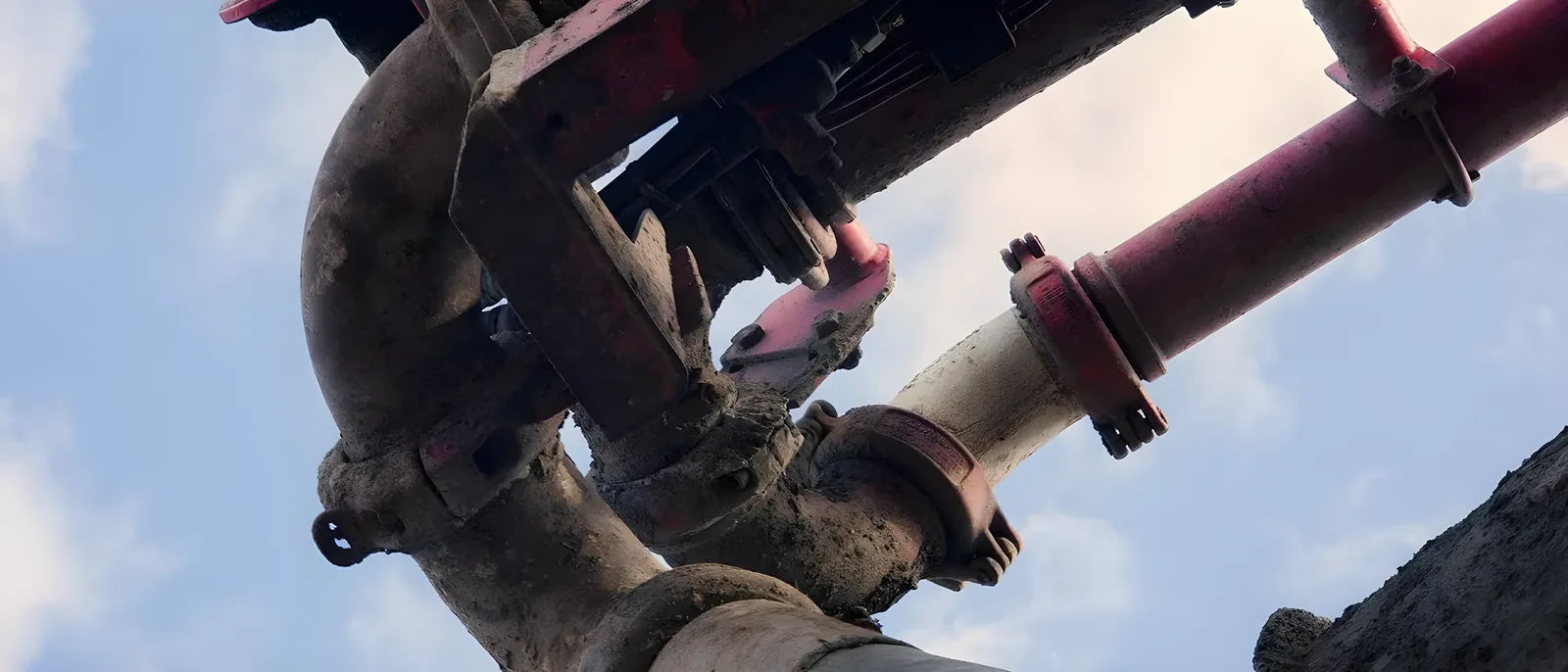
- pouring 30 m3 of concrete under the future production line
But concrete is only a middle step. Next comes a chemical-resistant coating that protects the base from constant contact with active products and makes the plant safe for daily use.
Why water is the main ingredient in car care chemicals
Most people think detailing chemicals are built on active ingredients. In fact, almost every liquid product starts… with water.
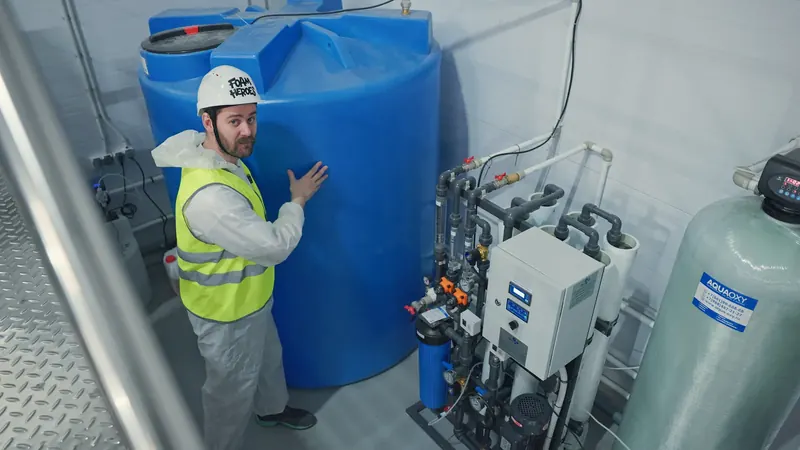
That's why the water treatment system became one of the key stages of the project.
We started building a full treatment line that includes:
- a 3-ton clean water tank
- a reverse osmosis system
- a line feeding treated water straight to the reactors
Reverse osmosis removes dissolved salts, minerals and impurities, so every new batch of product gets the same water base. For making car care chemicals, that's not a luxury — it's what keeps quality consistent.
The build ends — production begins
The hardest work always stays off camera. People see the good-looking reactors and shiny filling lines, but never find out how much engineering is hidden under the concrete.
These weeks of prep are the foundation that Foam Heroes products are then born on.
- And in the next issue we'll show you one of the most anticipated moments of the whole build — installing the equipment and taking the first steps toward launching our own production.