When metal comes alive: accepting the equipment and the birth of a production line
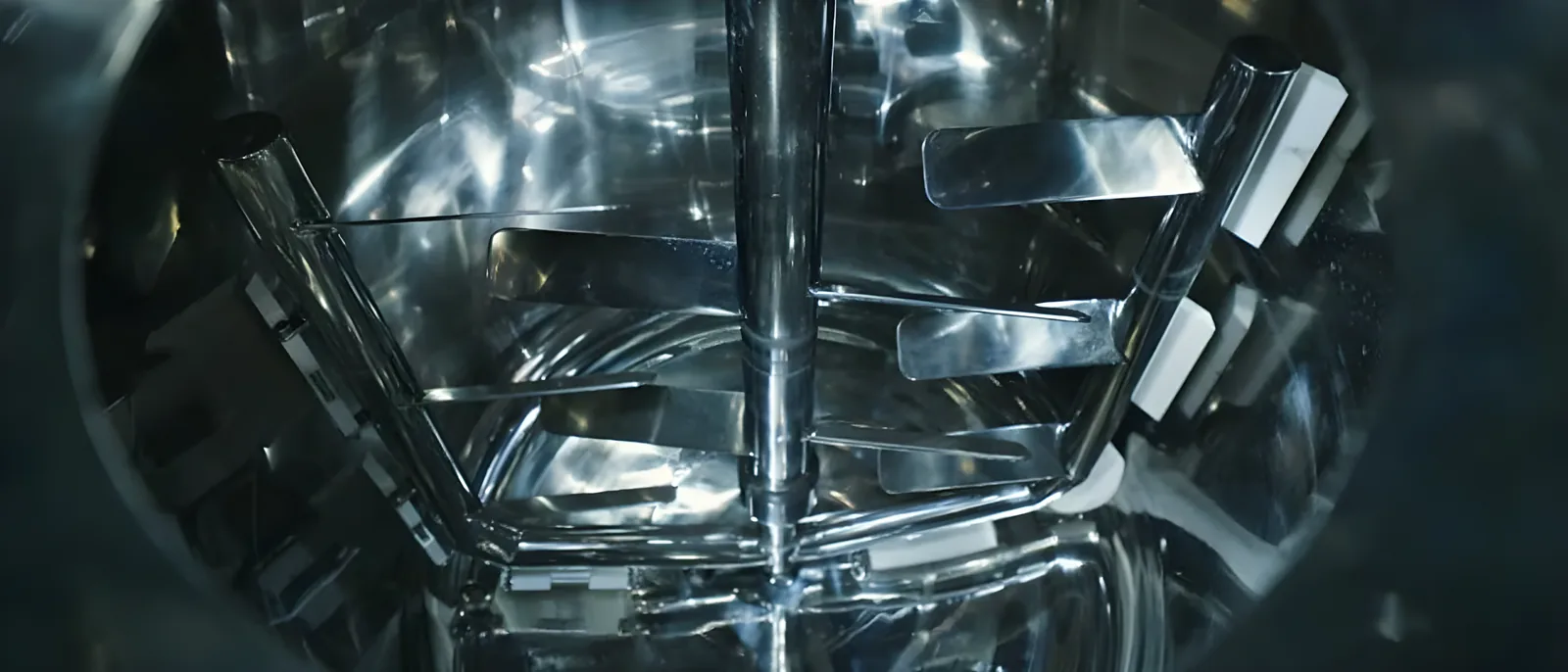
There's a moment everyone building their own production plant waits for. The first reactors roll into the shop. The space stops being a construction site and becomes a real factory for the first time.
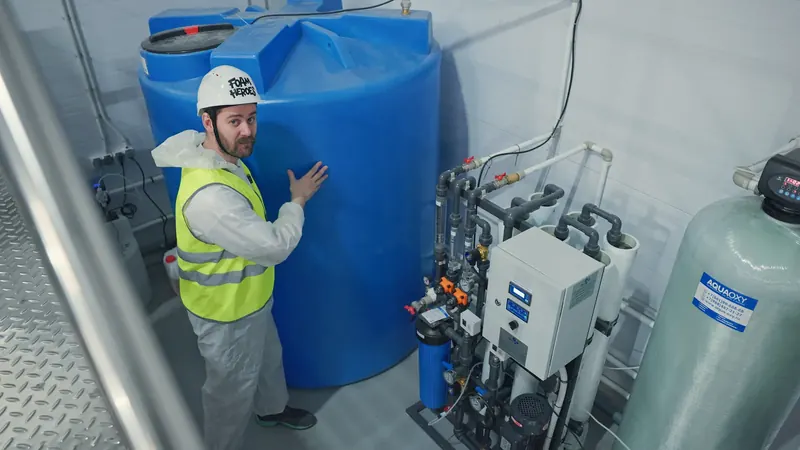
In the previous episode we showed how the water treatment system works — the invisible engineering side that consistent product quality depends on.
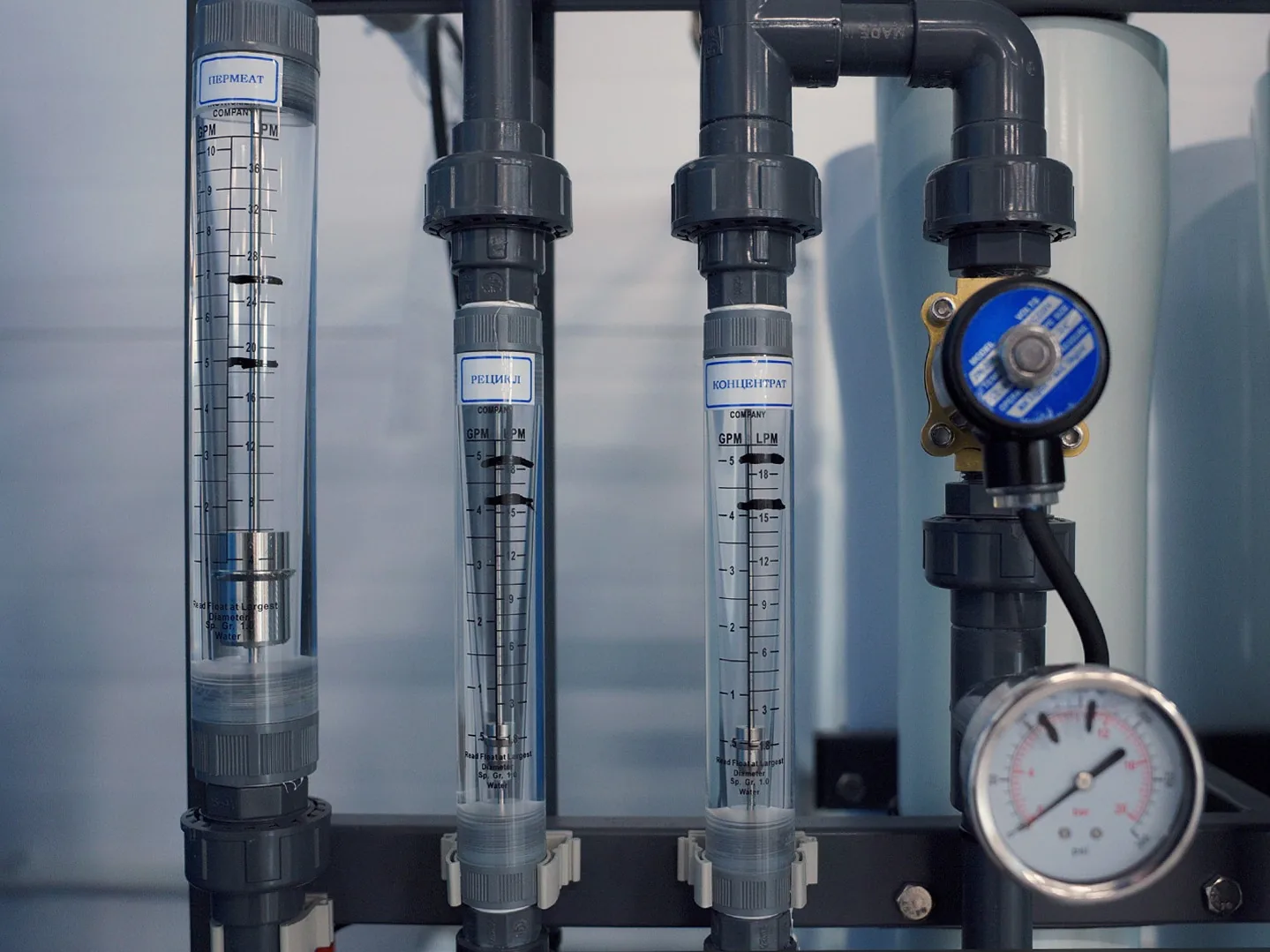
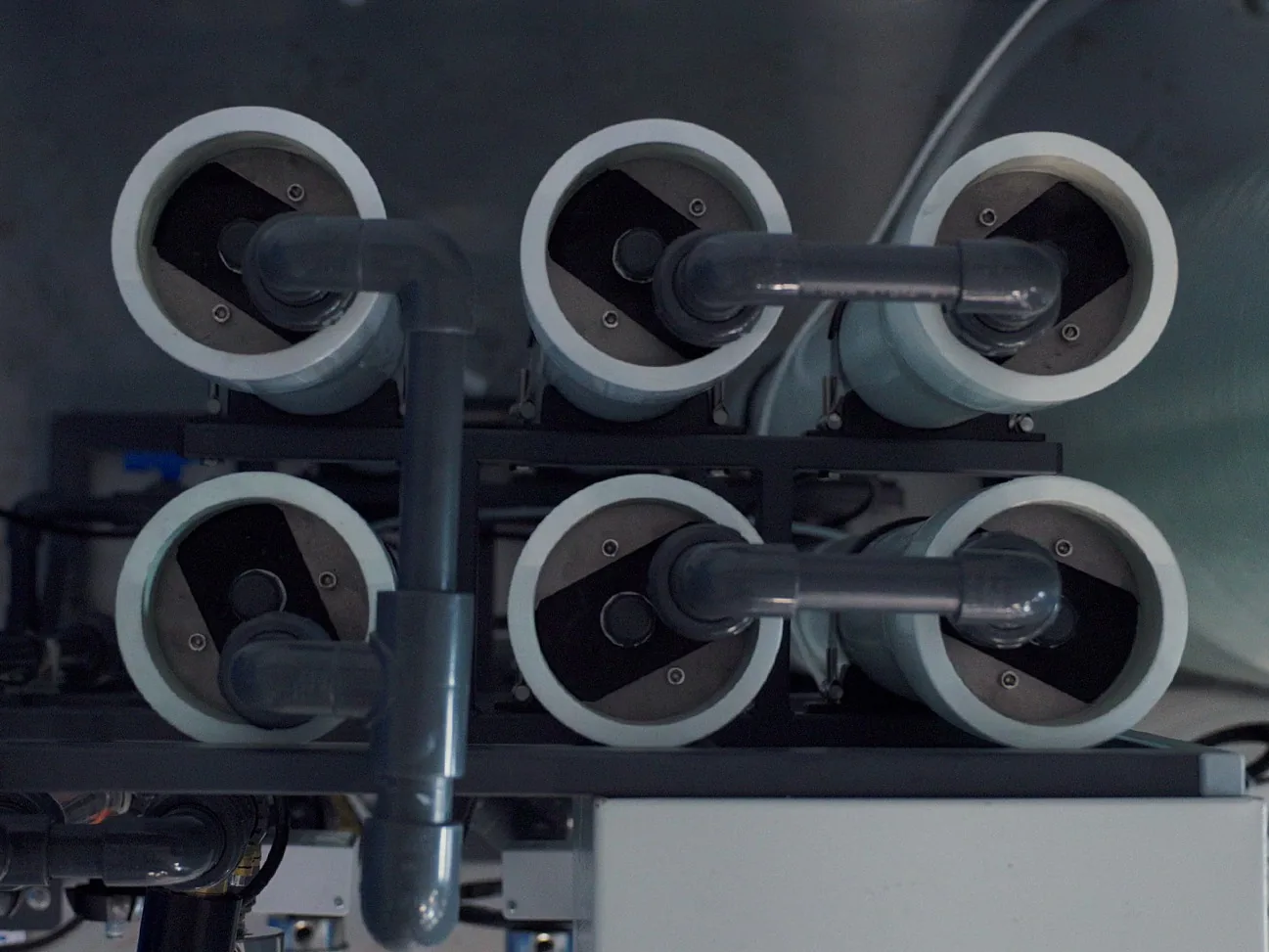
Now the purified water is ready to go into the reactors, which means the next stage begins: accepting and setting up the equipment.
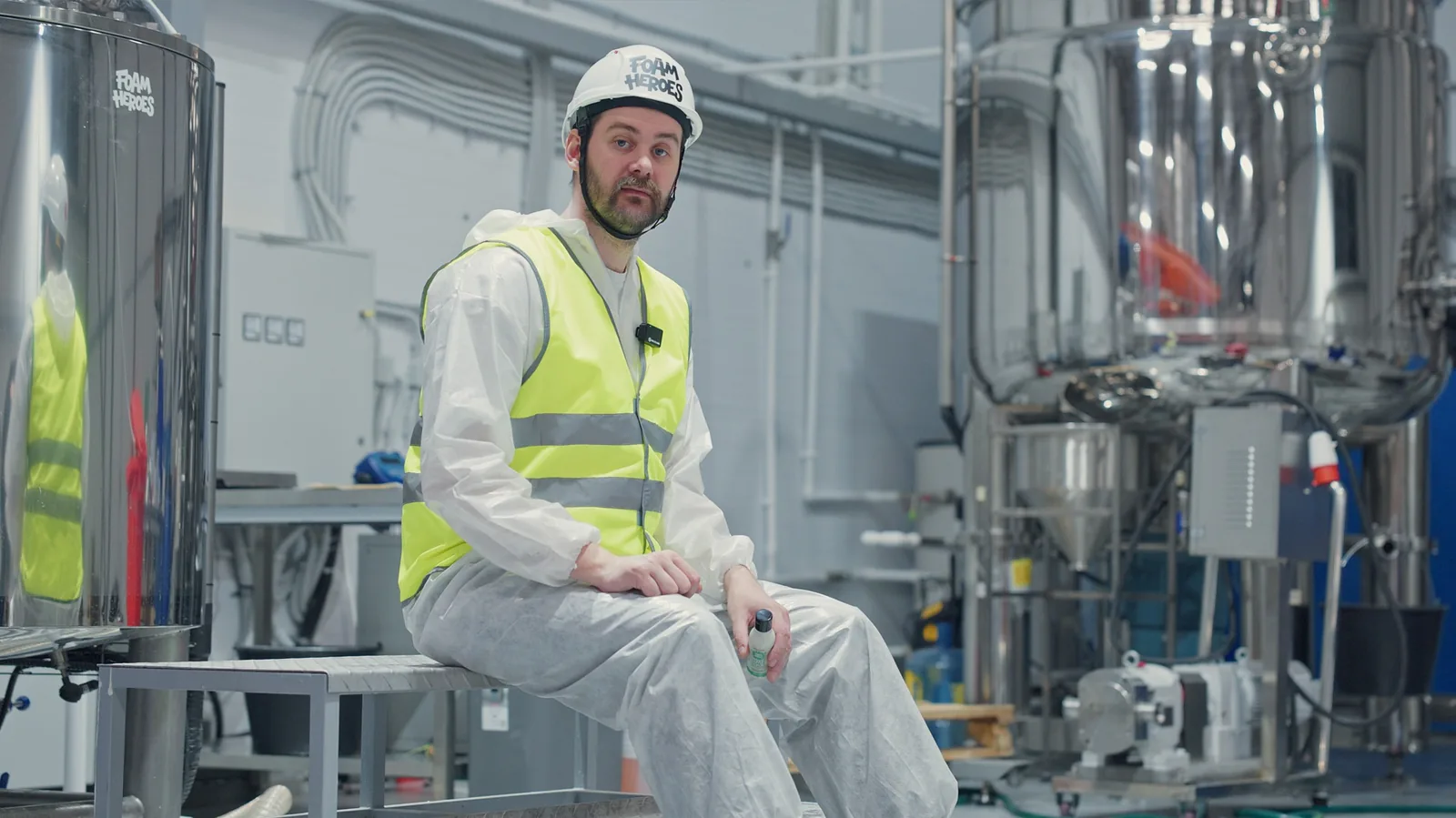
This is where theory turns into practice.
Two reactors — two completely different jobs
Our plant runs two main reactors. They look alike, but they do fundamentally different work.
The first handles complex, viscous products; the second turns out liquid products fast. Together they cover almost the entire Foam Heroes lineup.
The 500 L (132.1 gal) reactor: lab precision on an industrial scale
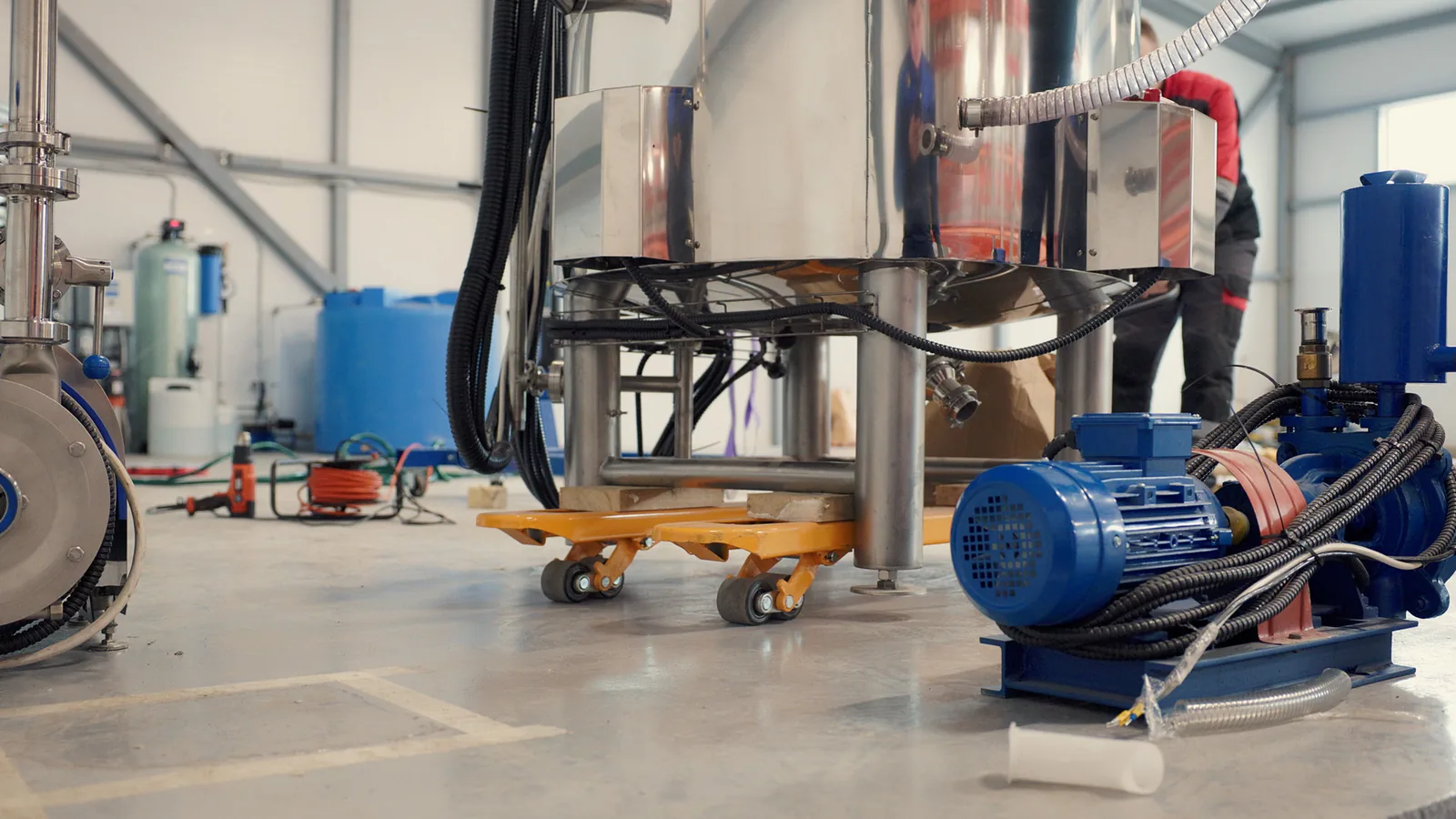
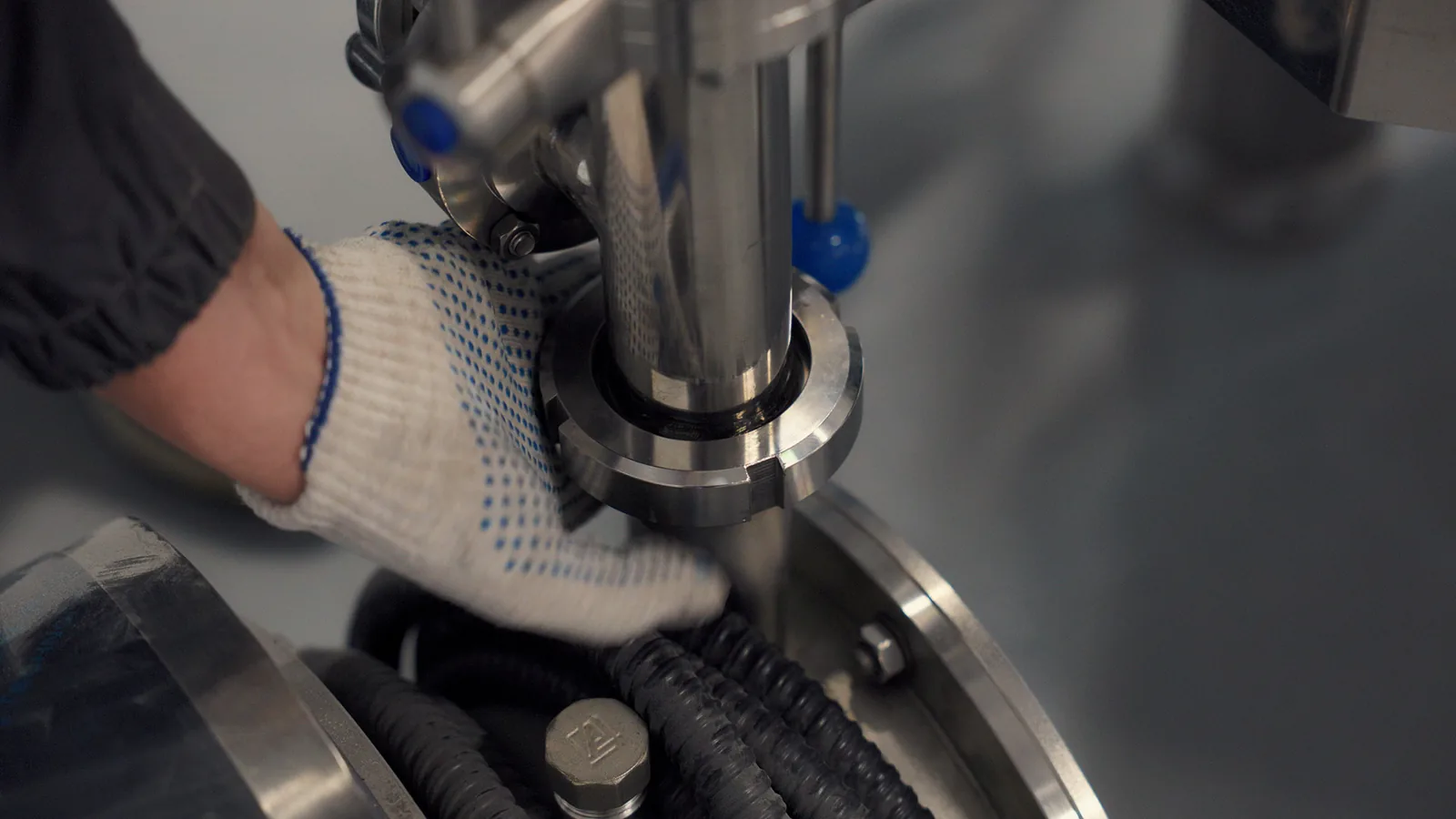
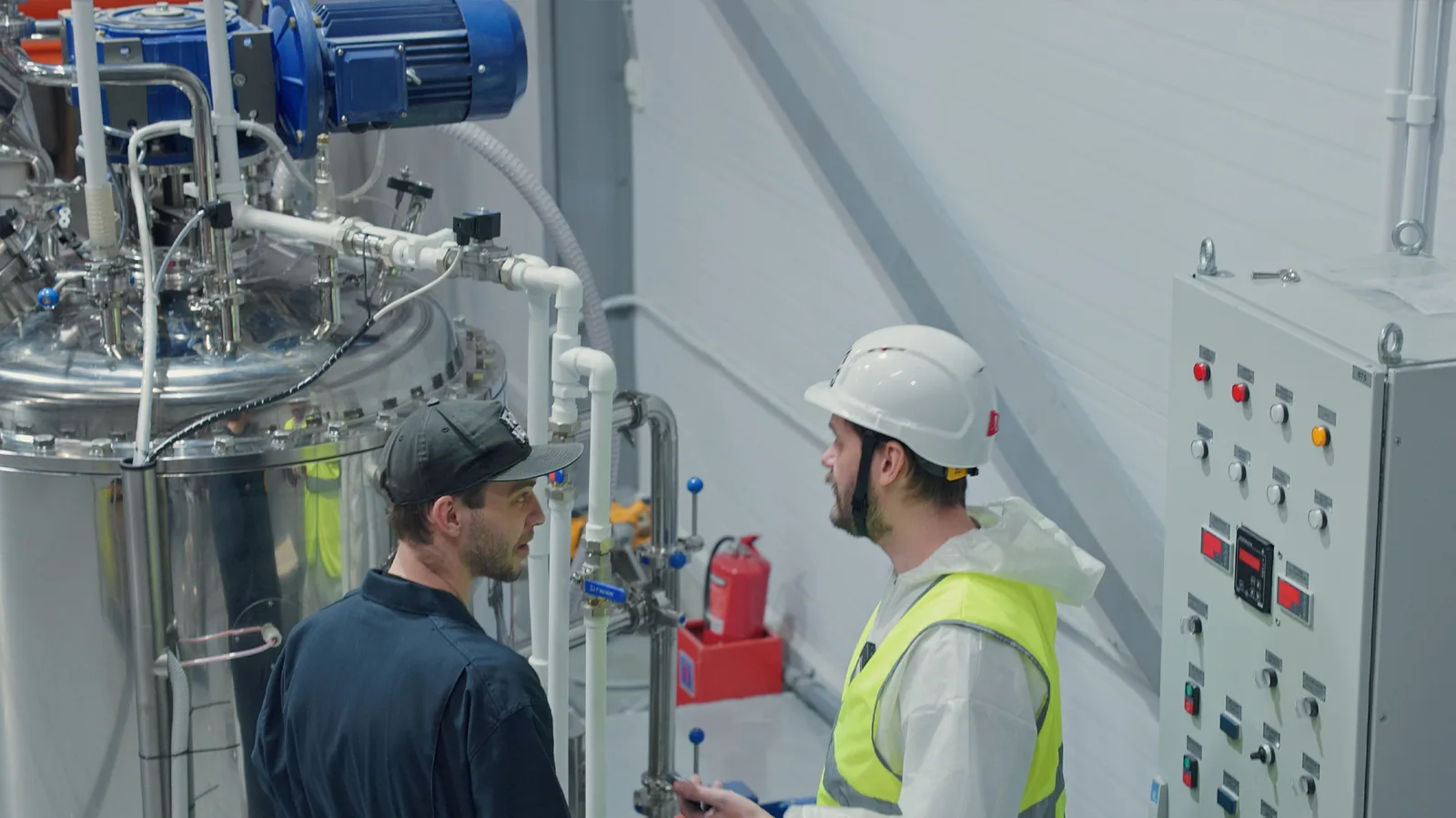
This 500 L (132.1 gal) reactor is the most versatile piece of equipment we have.
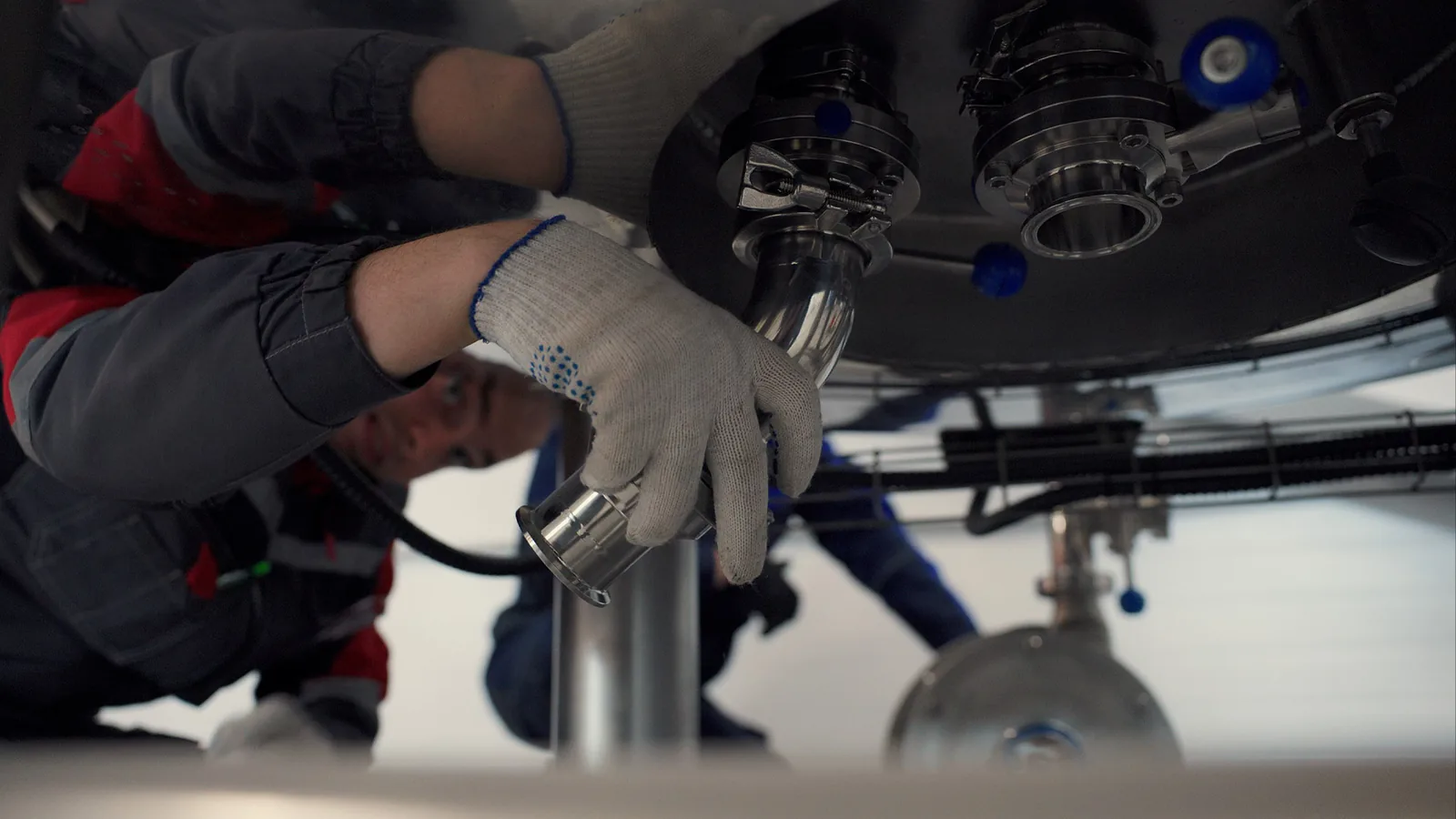
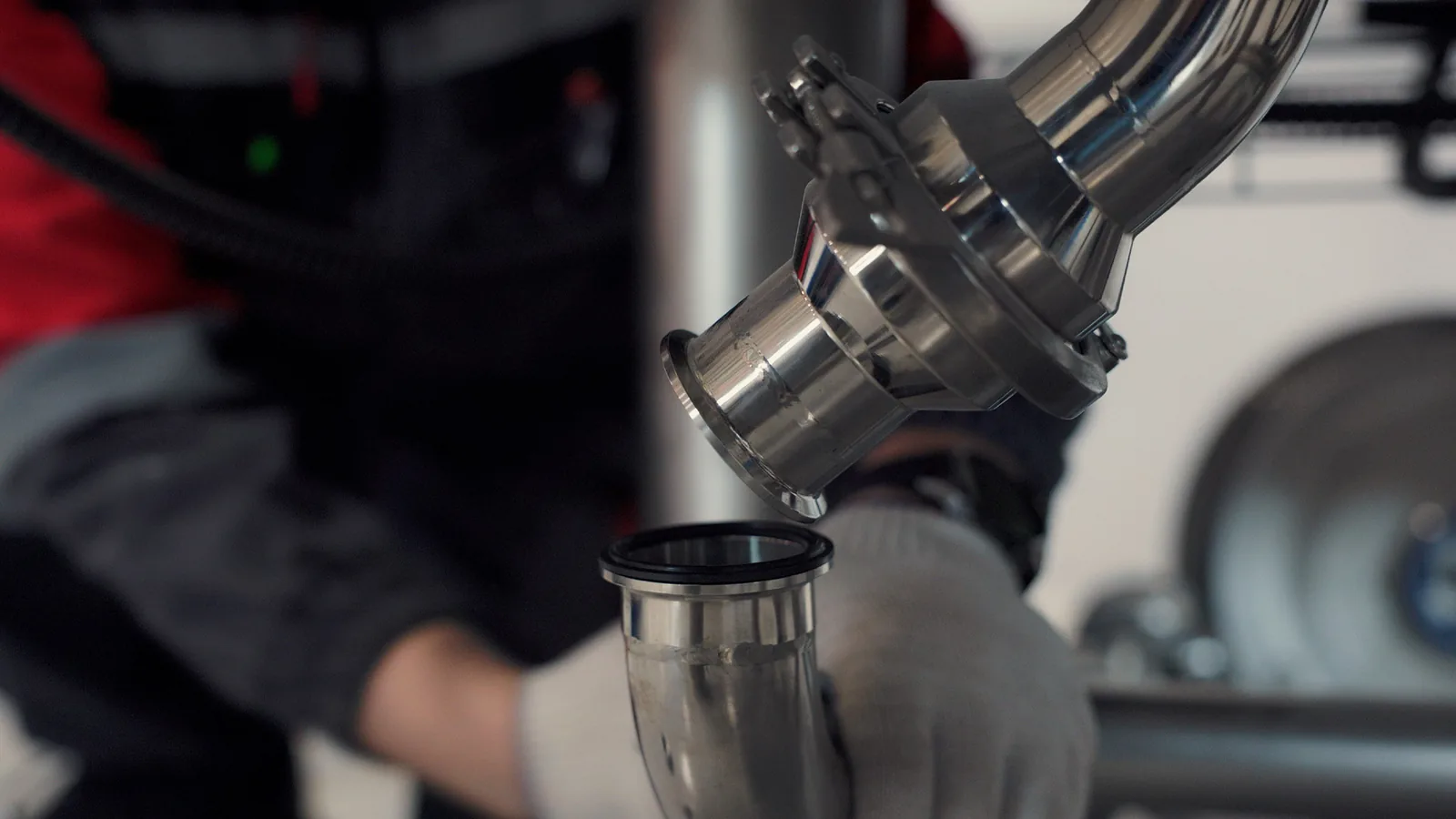
Its main feature: several engineering systems working at once.
- A thermal jacket heats or cools the mix with high precision.
- A disperser breaks down particles and helps the components form a uniform structure.
- A vacuum system pulls out dissolved air while mixing is still going.
This is where we'll make thick products, including polishing compounds and products like Lime Scrub.
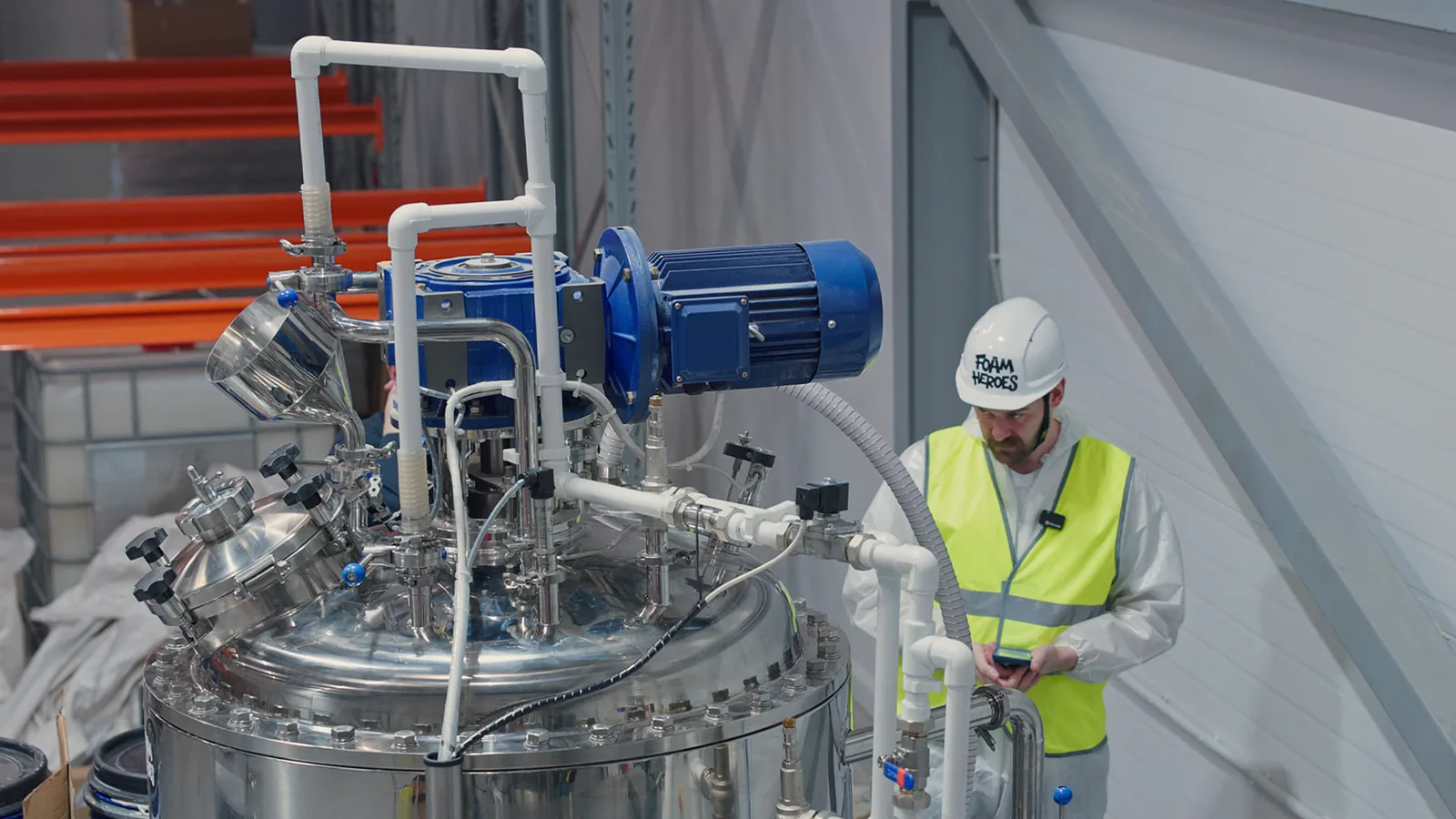
Air inside a product isn't just bubbles. It also means faster oxidation of some components, unstable texture and lower quality in the finished product. Vacuum avoids these problems and keeps the active ingredients in their most effective state.
The 2000 L (528.3 gal) reactor: speed with no compromises
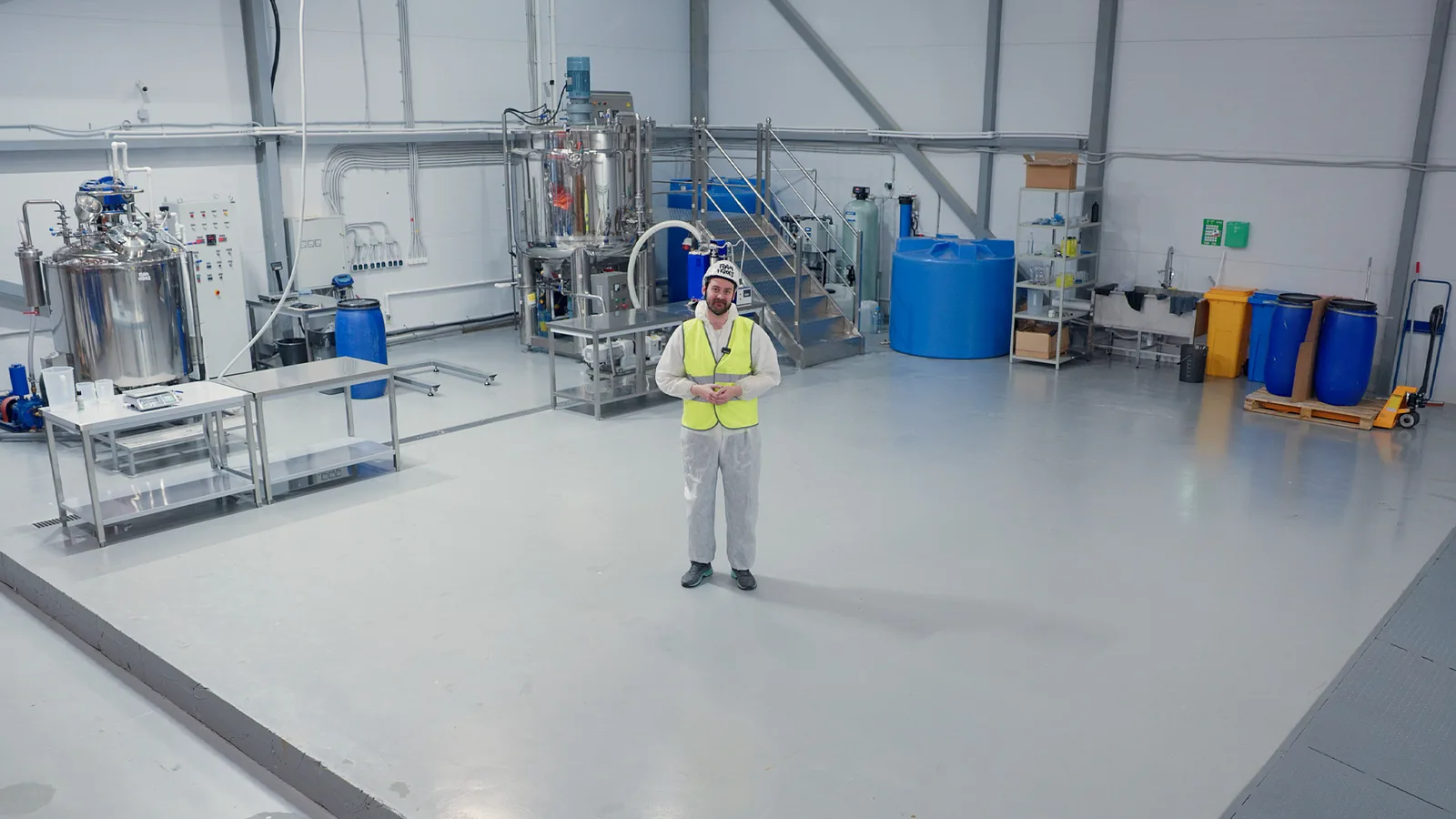
If the first reactor is built for complex products, the second one is a true production giant.
It holds 2000 L (528.3 gal), and its main job is producing soaps, cleaners and other liquid products in large batches.
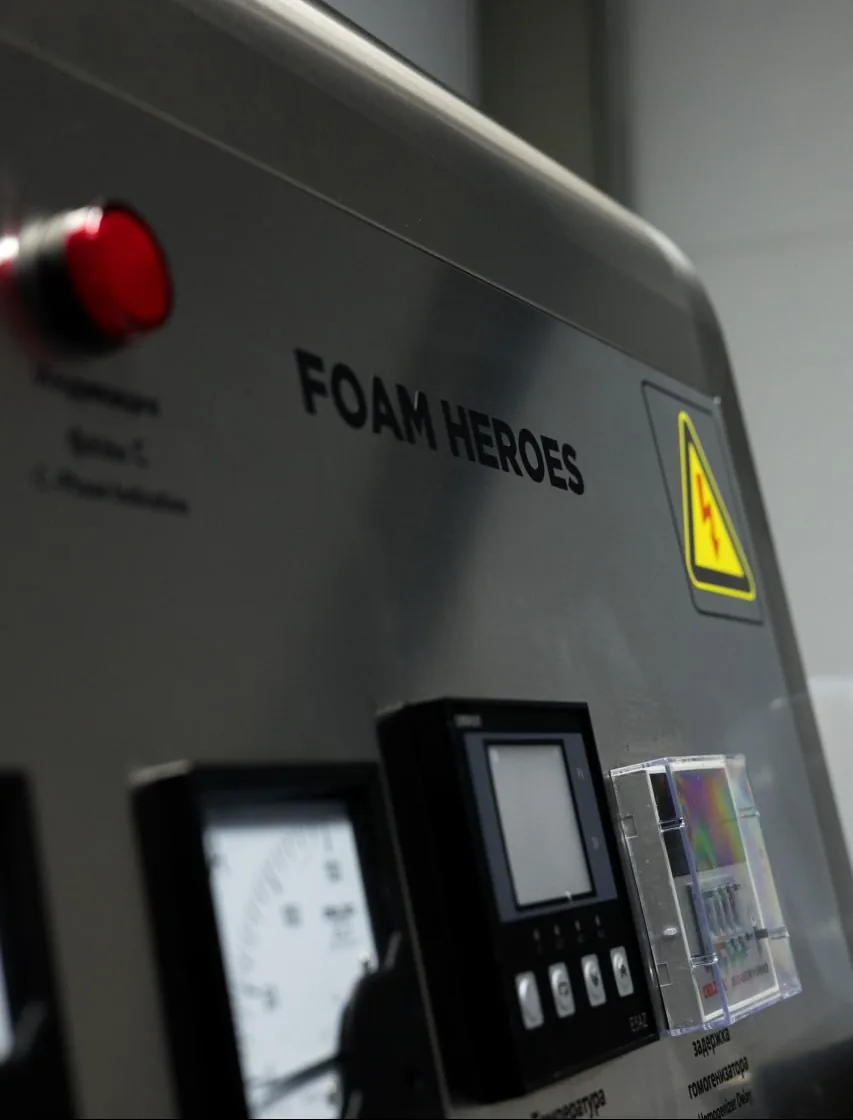
Unlike a standard mixer, it doesn't just stir the liquid — it creates intense shear, so the components distribute far more effectively. The result is a stable product structure and a much lower risk of separation.
For you, that means one simple thing: the product keeps its properties from the first drop to the last, through its whole shelf life.
After the batch is cooked, an equally important stage begins
Many people think production ends at the reactor. In reality, once the product is made, a whole chain of processes kicks in, and every second counts.
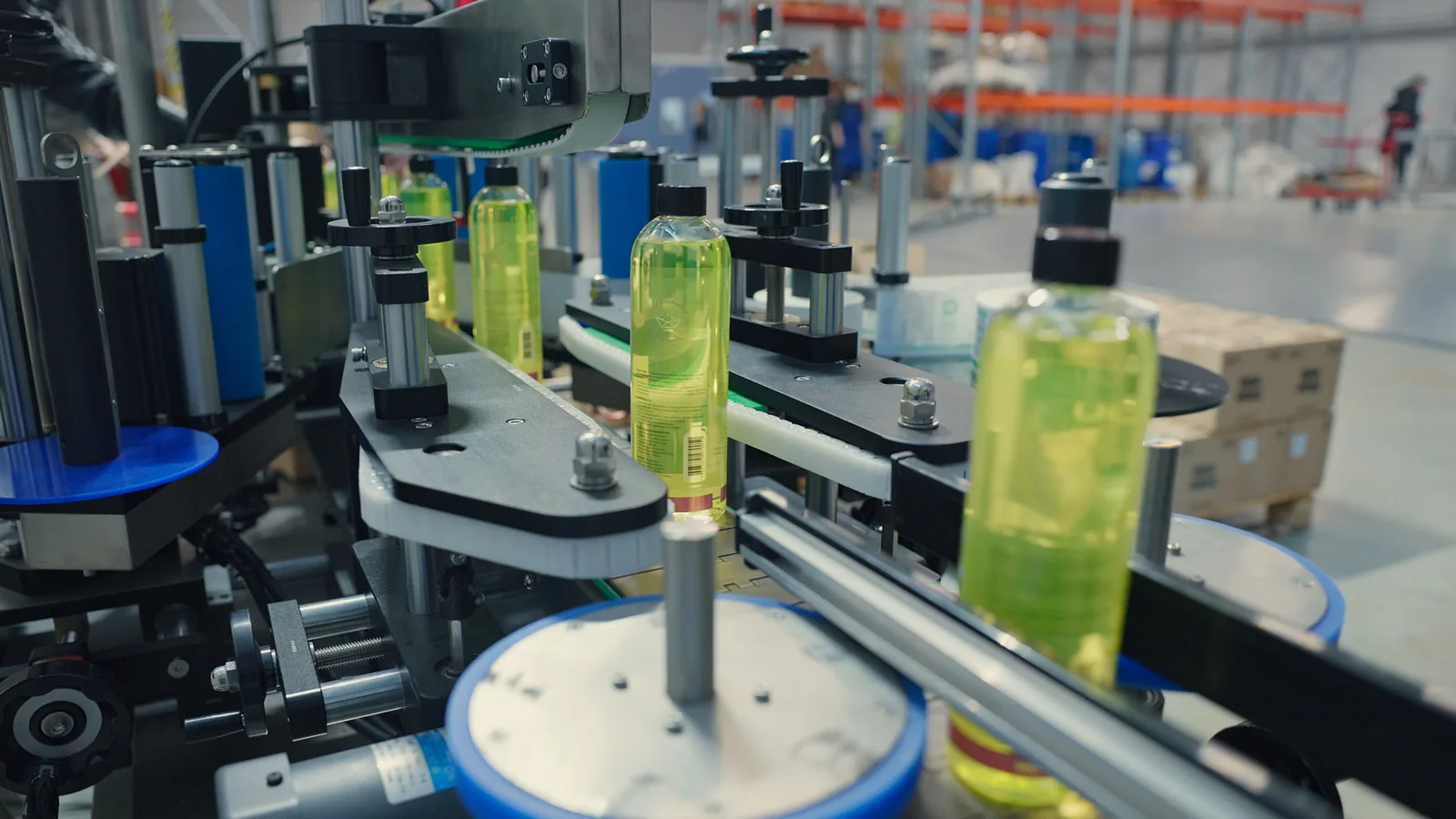
The line already has equipment in place for accuracy, traceability and packaging speed.
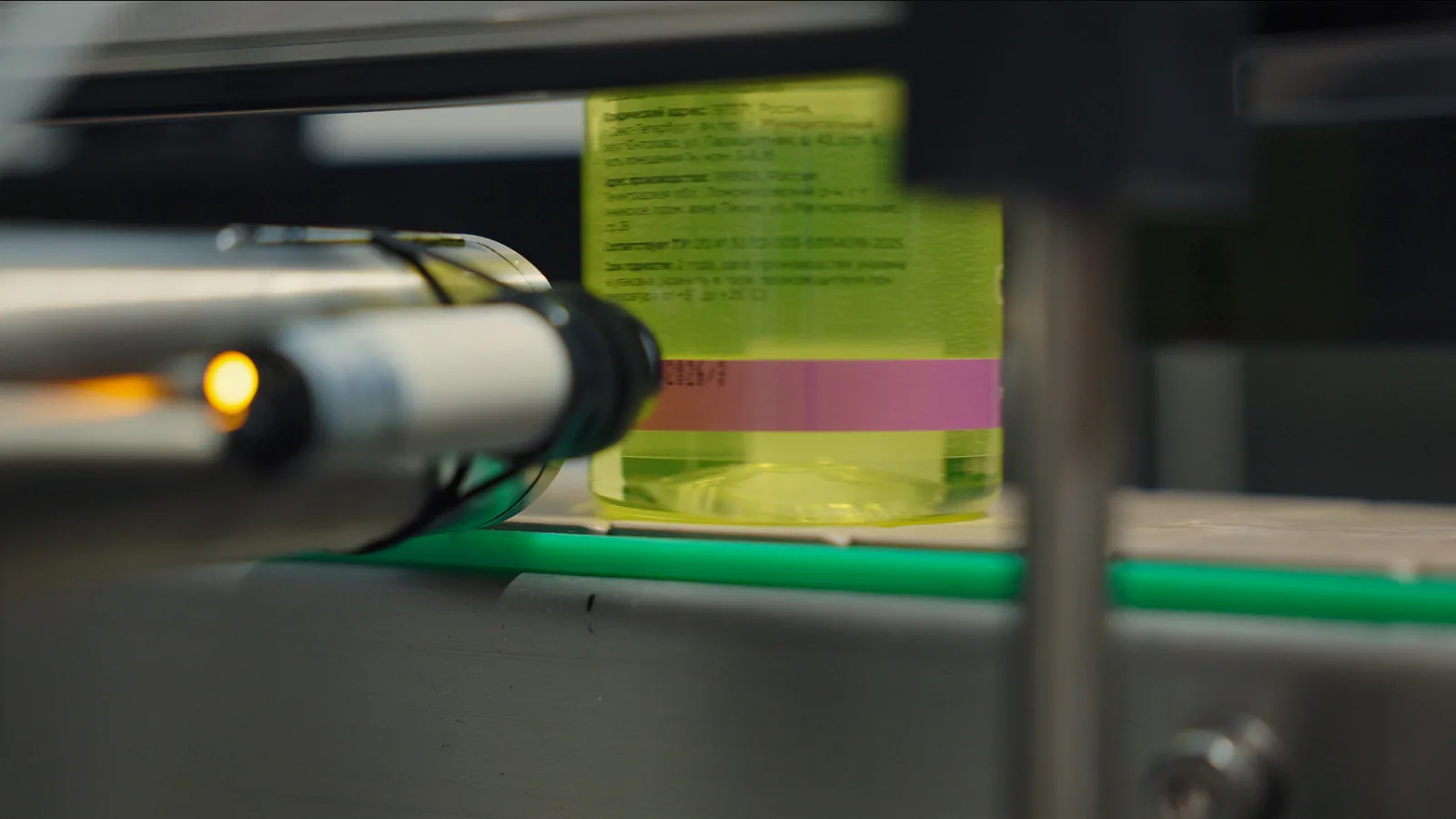
What's ready to run
- The inkjet coder prints any production marking: production date, batch number and QR codes.
- Semi-automatic filling lines deliver precise filling into containers from 100 ml (3.4 fl oz) to 5 L (1.3 gal).
- The automatic labeler handles both round and flat bottles and can apply up to 3,000 labels per hour.
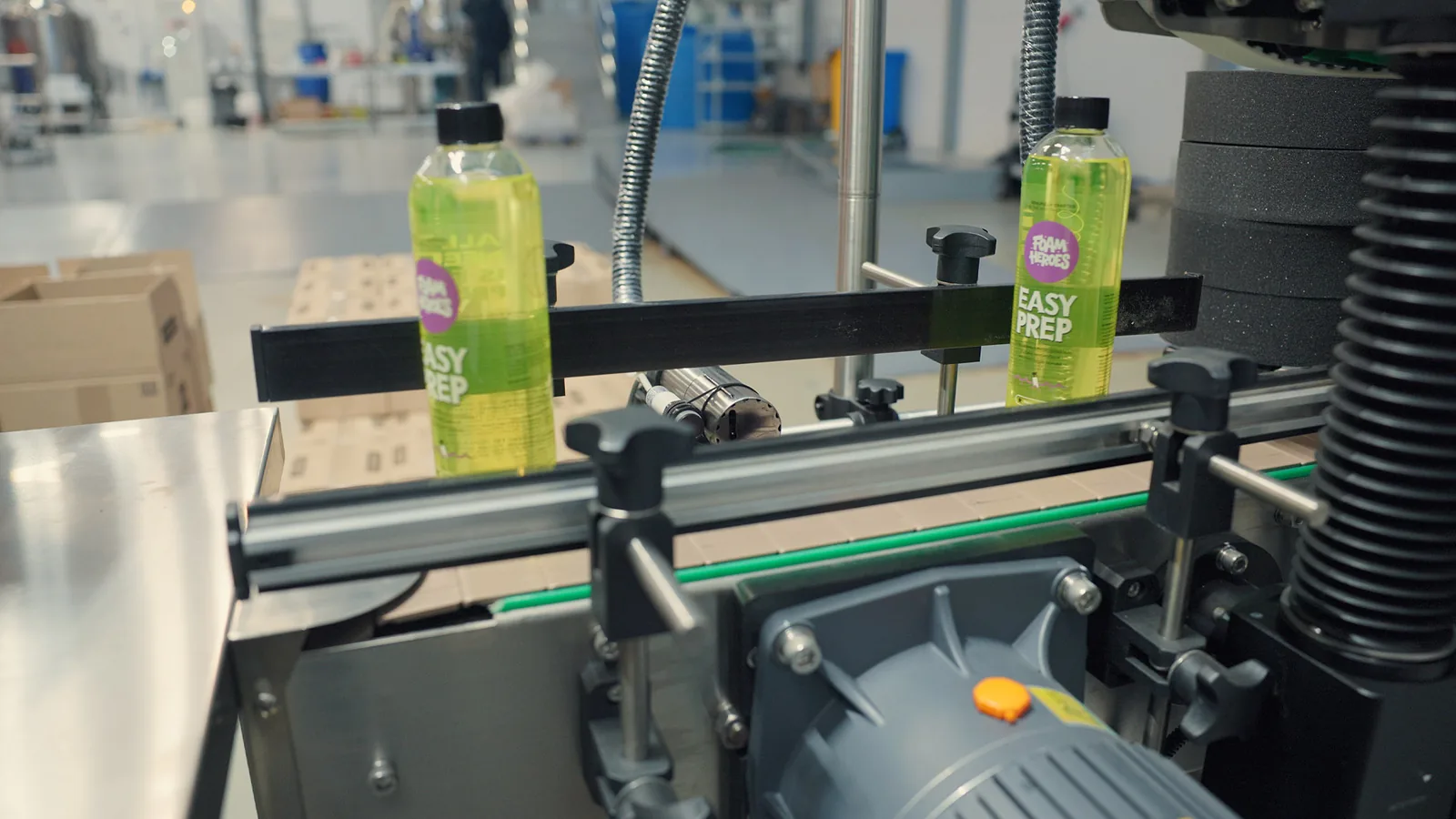
These are the machines that turn a finished product into something that lands on a detailer's shelf or in your garage.
Launch is close
Right now the production line is going through final setup. We're checking dosing, calibrating equipment and testing how all the stations run in sync.
This is the stage that rarely makes it into slick videos, but it's the one that decides how smoothly the plant runs day to day.