5 golden rules of contact washing

For a lot of detailers, the contact wash is the best part of caring for a car. The aggressive chemicals of phase one are behind you, and the job comes down to one thing: safely remove static dirt and protect the paintwork.
After a pre-wash, a thin translucent film always stays on the paint. Water pressure won't take it off — that's what phase two and a car wash soap are for.
Here are five rules experienced detailers follow that really do cut down the risk of scratches.
Rule #1. A clean tool beats an expensive soap
The most common cause of micro-scratches isn't the soap — it's a dirty wash mitt or sponge.
The Foam Heroes lineup includes three different tools for phase two, each with its own job.
Ripple is made from soft microfiber with a dense, long pile and a foam core. It holds a lot of water and keeps the soap working between the mitt and the paint.
It works best with Slick Ice, Acid Shock and Slimy Foam soaps.
Its flexible shape lets Soft Cloud reach mirrors, door handles and other tight spots. Special Korean multi-microfiber makes it very gentle on the clear coat.
It pairs great with Slimy Foam, Cola Bay and Slick Ice.
What makes Slide Glide special: the pile doesn't clump even when fully soaked. A mix of hydrophilic and hydrophobic fibers keeps it working through the whole wash.
Tech tip: "After every wash, always wash your tools with a dedicated microfiber soap Pure Fiber. Even the best mitt turns into a scratch machine if sand stays in the pile."
Rule #2. Forget circular motions
We were all taught to wipe surfaces in circles. On paint, that's one of the worst habits you can have.
During a contact wash, work in straight passes only — left to right or top to bottom. If a grain of sand gets under the mitt, a straight mark is far less visible than circular swirls.
Microfiber traps dirt inside the pile on its own. The harder you press on the mitt, the more likely you are to push abrasive particles into the paint.
Rule #3. A bucket with grit guard is your best friend
During phase two, the mitt slowly picks up leftover static dirt. Don't rinse it regularly and that dirt goes right back on the paint.
Rinse your tool thoroughly in a bucket with grit guard after every panel. It's especially important to use separate tools for different areas of the car.
Use a separate mitt for the upper part of the car, and a separate tool for rocker panels and the dirtiest areas — for example, Wheel Smitt.
They should never overlap.
Rule #4. One pass is almost never enough
Very often the car looks clean after the first pass of the mitt. In reality, some static contaminants stay on the surface.
Here's the best approach:
- Wash the panel.
- Rinse the mitt.
- Load up fresh soap.
- Make a second pass.
This goes double for the doors, the rear of the car and the hood. That's where most road static builds up.
Why does it matter? If the car has a protective coating on it, leftover dirt can mask its water-repellent properties. After a full wash, the water film starts to break up noticeably — a good sign that the surface is really clean.
Rule #5. Don't let the soap dry
Foam Heroes car wash soaps are pH-neutral and rinse off the surface far easier than alkaline products. But that doesn't mean you should let them dry completely.
Wash the car section by section instead of soaping the whole car at once. If you see the product starting to dry, just re-wet the area with fresh solution and keep going.
That way you avoid streaks and keep the wash comfortable.
The main rule of detailing
A good contact wash rarely comes down to arm strength or how much soap you use. It comes down to proper technique, clean tools and attention to detail.
Follow these five rules and you'll not only get the car cleaner, you'll also cut the risk of swirl marks and keep the paintwork in shape for years.
Products in this article
Everything mentioned here, one click away.
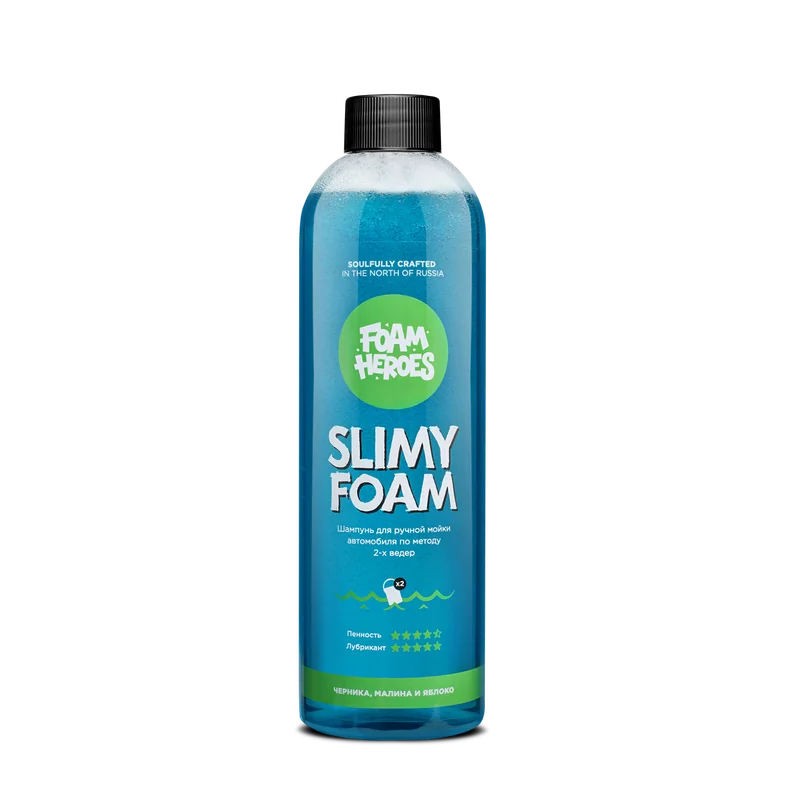
Slimy Foam
car wash soap
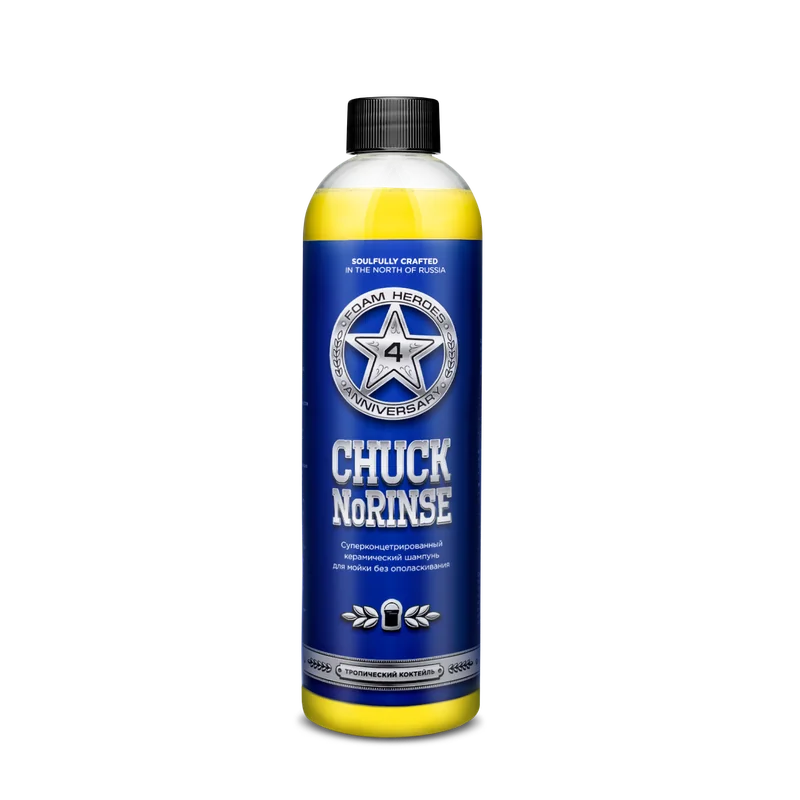
Chuck NoRinse
ceramic rinseless wash soap
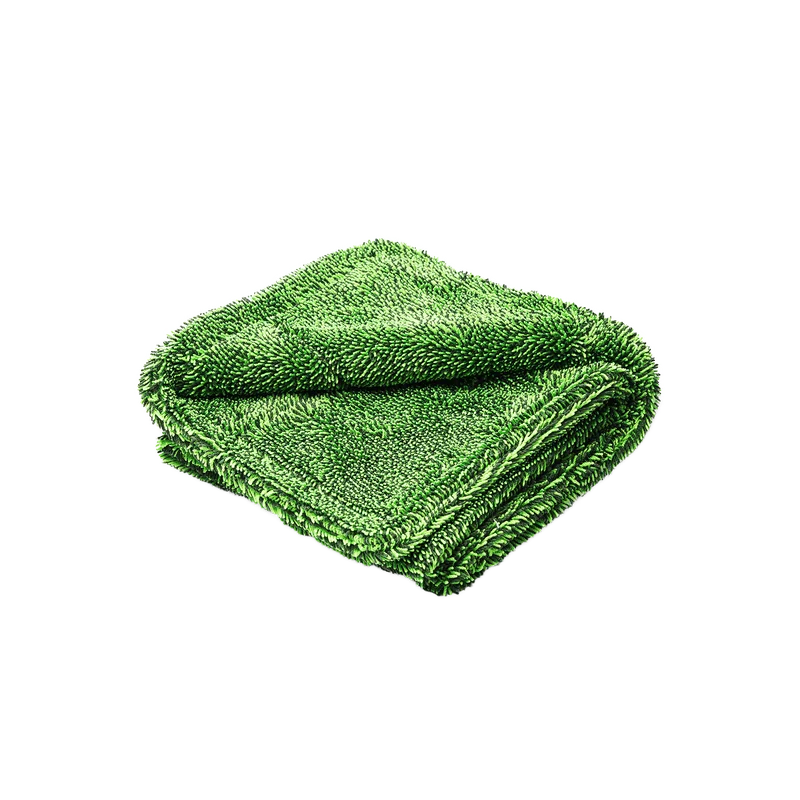
The Collector mini
dual-sided drying towel 40 × 40 cm (15.7" × 15.7"), 1100 GSM
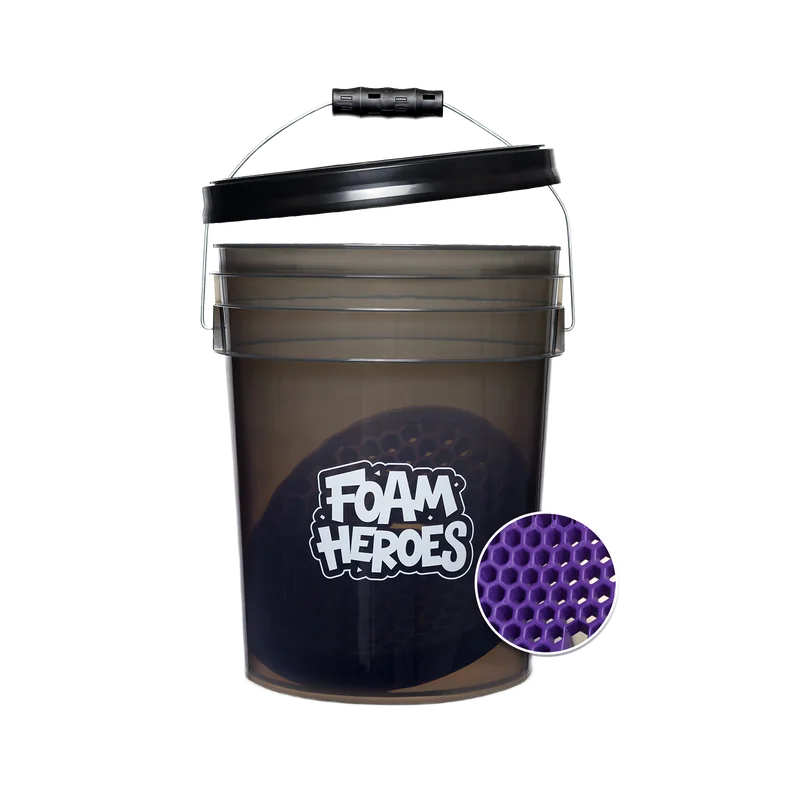
Detailing Bucket
with grit guard and lid for detailing washes